

Dog Hydration 101: What Owners Need to Know
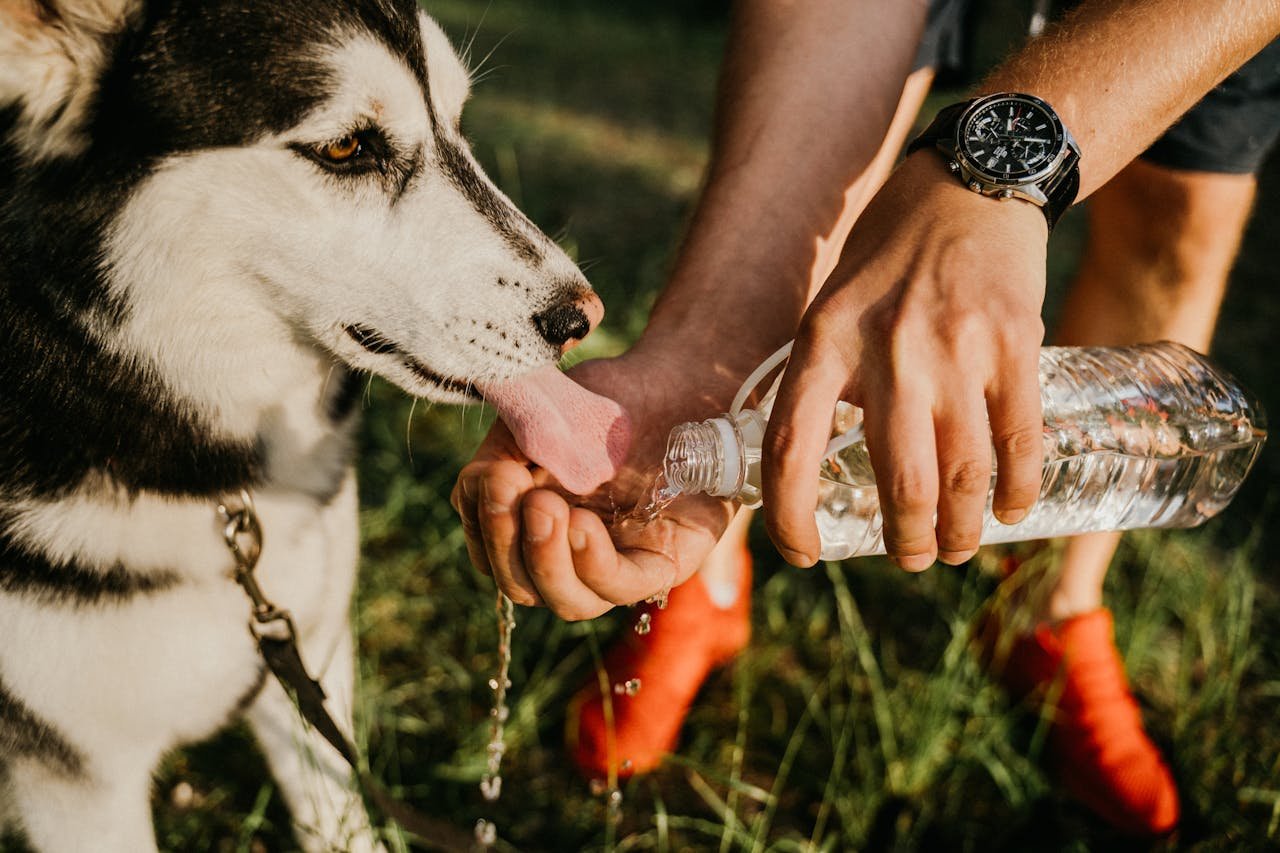
Image credit: Anna Tarazevich
As dog lovers, we know that keeping your furry friend healthy and happy is at the heart of every dog adventure. Whether you are joining our dog running sessions on Wimbledon Common, exploring new trails during dog walking adventures, or considering our home-from-home boarding, hydration is a key factor in your dog's wellbeing.
Dehydration can sneak up on even the most active dogs, and knowing how to manage it is crucial for a long, healthy life.
Why Hydration Matters for Dogs
Water is vital for your dog's body to function properly. It helps regulate temperature, supports digestion, transports nutrients, and cushions joints during exercise. Dogs who are highly active, like those enjoying our pack runs, need more fluids than their less active counterparts.
Even moderate activity in London’s warmer months can lead to fluid loss that affects energy, focus, and mood.
Signs that your dog may not be drinking enough include:
Dry gums or nose
Lethargy or decreased activity
Panting excessively during walks or runs
Sunken eyes or visible dehydration when gently lifting the skin
By observing these signs, owners can prevent potential health issues before they escalate.
Hydration Needs by Activity Type
Different types of activity demand different hydration strategies. Here’s how we guide our Milo’s Dog Club pack to stay hydrated:
Pack Runs: These sessions combine a 5 kilometre walk with a 9 kilometre run across Wimbledon Common. High-energy breeds like Labradors, Border Collies, and German Shepherds can burn a lot of energy. We ensure dogs have access to freshwater before, during, and after runs to avoid dehydration.
Adventure Walks: Our sensory walks provide 5 kilometres of exploration through parks and natural environments around Shepherd's Bush, Chelsea, Fulham, Putney, and Southfields. Dogs are encouraged to drink at key breaks to replenish lost fluids, keeping their senses sharp.
Boarding: Dogs in our care enjoy group morning walks and garden time, with hydration built into their daily routine. We ensure bowls are always available and refill water frequently, so even during play or rest, dogs stay optimally hydrated.
One-on-One: For dogs with specific needs, our team tailors hydration schedules. For older dogs or those with medical conditions, we provide smaller, more frequent water breaks to prevent strain on kidneys and other organs.
Tips to Keep Your Dog Hydrated
Always provide fresh water: Change your dog’s water at least once daily and more often during hot weather or high activity.
Carry water on walks and runs: Portable bowls or collapsible bottles are ideal for dog walking or dog running sessions.
Monitor intake: Keep track of how much your dog drinks, especially after exercise.
Use wet food or ice cubes: Incorporating wet food or frozen treats can increase fluid intake in fun ways.
Avoid dehydration hazards: Limit time in extreme heat, particularly on asphalt in summer months, which can increase fluid loss.
Why Milo's Dog Club is the Best Choice
Our team understands that every dog is different. That’s why we combine a love for adventure with expert knowledge of canine hydration and wellbeing. With small groups for pack runs, carefully designed adventure walks, and a home-from-home boarding environment, we can ensure your dog receives the right amount of hydration for their activity level.
We also use GPS collars to monitor dog activity and movement during sessions, giving owners peace of mind that their dog is active, safe, and properly cared for. By choosing Milo’s Dog Club, you are partnering with a team that puts your dog's health, happiness, and adventure first.
Hydration Beyond Exercise
Hydration is not only about walks or runs. Dogs in urban London can lose fluids through daily activity, stress, or even hot indoor environments. Simple practices such as placing water bowls in multiple locations around your home, and encouraging regular drinking, make a big difference.
For our boarding dogs, hydration is part of a holistic health routine that also includes balanced nutrition, gentle play, and mental stimulation. Every aspect of our care supports optimal fluid balance and overall wellbeing.
Conclusion
Proper hydration is a fundamental part of dog care and a key to keeping your dog healthy, happy, and ready for every adventure. Whether your dog joins a pack run, enjoys an adventure walk, or stays with us in boarding, ensuring they are hydrated keeps them energetic, engaged, and stress-free.
At Milo’s Dog Club, we are committed to supporting you and your dog every step of the way, providing guidance and expert care tailored to their needs.
FAQs
How much water does a dog need daily?
The average dog needs approximately 50–60 millilitres of water per kilogram of body weight. Highly active dogs, like those in our dog running sessions, may need more depending on exercise intensity and weather.
Can dogs drink too much water?
Yes, excessive water intake can cause water intoxication, though it is rare. Monitoring your dog during exercise and providing measured breaks can prevent overhydration.
Are there signs of dehydration I can spot at home?
Yes. Dry gums, lethargy, sunken eyes, and skin tenting are key indicators. Encourage drinking and consult a vet if symptoms persist.
Ready to ensure your dog stays hydrated and healthy during every adventure?
Contact our team at Milo’s Dog Club today or book a free bonding session. Let’s give your dog the care, exercise, and fun they deserve.
