

Understanding Your Dog's Body Language on Group Walks
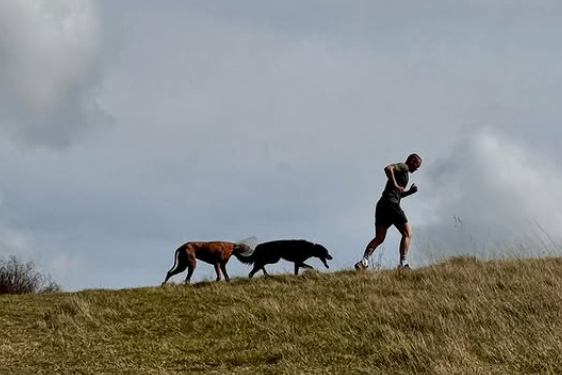
Watching your dog explore the world with their canine companions is a joy, but it can also be a little nerve-wracking. Whether you are new to dog walking groups or a seasoned dog owner, understanding your dog’s body language during group walks is essential for their safety, happiness, and social growth.
At Milo's Dog Club, our team sees hundreds of dogs thrive on group adventures every week, and we know that reading their signals can make all the difference.
Why Dog Body Language Matters on Group Walks
Dogs communicate primarily through their body language. From a wagging tail to a subtle shift in posture, your dog is constantly signalling how they feel. In group dog walking sessions, this communication becomes even more critical as dogs interact with multiple peers in new environments. Misreading signs can lead to stress, conflicts, or even minor injuries.
By observing your dog’s cues, you can:
Ensure they are comfortable and confident
Prevent conflicts before they escalate
Foster positive socialisation with other dogs
Maximise the benefits of dog walking for both physical and mental health
At Milo’s Dog Club, we place a strong focus on small group sizes, typically a maximum of four dogs, which allows our experienced runners to monitor each dog closely. This careful attention ensures your dog feels safe, happy, and supported throughout their walk.
Common Dog Body Language Signals
Here are some signals to look out for during dog walking sessions:
1. Tail Position
High and wagging: Excited and confident
Low or tucked: Nervous or anxious
Slow wag: Uncertain or assessing situation
2. Ear Position
Erect and forward: Alert and curious
Flattened or back: Fearful or submissive
3. Posture
Relaxed and loose: Comfortable and playful
Stiff or tense: Potential stress or discomfort
Play bow: Friendly invitation to interact
4. Facial Expressions
Open mouth and relaxed tongue: Happy and at ease
Lip licking or yawning: Stress signals
Direct stare: Could indicate dominance or discomfort
5. Vocalisations
Soft barking or whining: Expressing excitement or mild stress
A warning or sign of discomfort—requires careful attention
Understanding these signals helps you and your dog navigate group walks safely. If your dog shows signs of stress or discomfort, adjusting the activity or providing one-on-one support may be necessary.
How Group Walks Benefit Dogs
Group walks are not just about exercise they are an essential part of your dog’s social development and wellbeing. At Milo’s Dog Club, our pack runs and Adventure Walks are designed to stimulate both body and mind:
Physical health: Running and walking through Wimbledon Common and other West London green spaces keeps your dog fit and energetic.
Mental stimulation: Exploring new routes, scents, and sounds enriches their daily experiences.
Socialisation: Small, carefully chosen groups promote positive interactions with other dogs.
Confidence building: Learning to navigate group dynamics strengthens resilience and reduces anxiety.
For dogs that may not thrive in a pack environment, our team offers bespoke one-on-one walks, ensuring every dog enjoys a tailored experience that meets their specific needs.
Tips for Supporting Your Dog in Group Walks
Whether you are joining dog walking groups in West London or looking for local dog clubs, here are some practical tips:
Start slowly: Introduce your dog gradually to new dogs and environments.
Observe and respond: Watch their body language and adjust the walk if signs of stress appear.
Reinforce positive behaviour: Praise calm, friendly, and sociable interactions.
Keep a consistent routine: Dogs thrive on structure and predictability.
Trust experienced handlers: Professional dog walking groups like Milo’s Dog Club know how to manage group dynamics safely.
Why Milo’s Dog Club Is the Best Choice
Our team at Milo’s Dog Club has years of experience in dog walking, running, and boarding. We understand that every dog is unique, which is why our approach combines structured socialisation, exercise, and holistic care:
Small, safe packs: Maximum of four dogs per session for personalised attention
Expert runners and walkers: Trained to read body language and intervene when necessary
Local expertise: We navigate the best routes across Shepherd’s Bush, Chelsea, Fulham, Putney, Southfields, and Clapham Common
Home-from-home boarding: Dogs stay in a relaxed environment, with daily walks and socialisation
Holistic health focus: Collaborations with trainers, osteopaths, and nutritionists to support overall wellbeing
By choosing Milo’s Dog Club, you can feel confident that your dog is in expert hands, enjoying enriching adventures that enhance their health, happiness, and social skills.
Conclusion
Understanding your dog’s body language on group walks is key to ensuring a safe, happy, and enriching experience. By recognising stress signals, promoting positive interactions, and choosing experienced handlers, you can help your dog thrive in a social setting.
Group walks are more than exercise; they are an opportunity for your dog to build confidence, experience new adventures, and connect with others.
FAQs
How do I know if my dog is ready for group walks?
Start by observing your dog in small, controlled environments. Signs of curiosity, relaxed posture, and playful behaviour indicate they may enjoy group walks. Our bonding sessions help assess your dog’s readiness.
Can shy or nervous dogs join pack walks?
Yes, but we may recommend a one-on-one walk initially to build confidence before integrating into a small pack. Our team tailors activities to suit each dog’s personality.
What should I bring for my dog on a group walk?
Bring a comfortable harness, a leash, and water if needed. At Milo’s Dog Club, we provide all necessary safety equipment, including GPS collars for peace of mind.
If you want your dog to enjoy safe, stimulating, and social adventures, contact us today. Book a free bonding session, join the Milo’s Dog Club community, and let’s explore the best of dog walking in West London together.
