

Top Mistakes Owners Make When Exercising High-Energy Dogs
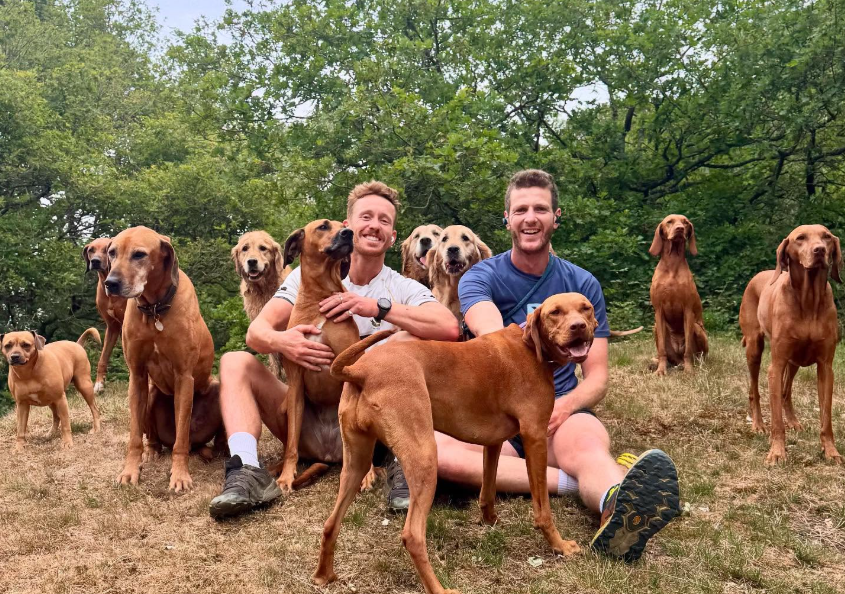
Exercising high-energy dogs is a rewarding but challenging task. Dogs with abundant energy, such as Border Collies, Golden Retrievers, and German Shepherds, require more than just a stroll around the block. Without the right approach, you may inadvertently hinder your dog's physical health, mental stimulation, and overall happiness.
At Milo's Dog Club, we understand the needs of energetic dogs and have spent years developing services like our Pack Runs, Adventure Walks, and bespoke One on One sessions to help owners exercise their dogs safely and effectively.
Drawing from our experience in West and South West London, here are the top mistakes owners make when exercising high-energy dogs and how to avoid them.
Mistake 1: Underestimating Your Dog's Exercise Needs
One of the most common mistakes we see is underestimating how much exercise certain breeds need. While a 30-minute walk might be sufficient for a smaller or older dog, high-energy breeds require much more. Insufficient exercise can lead to boredom, destructive behaviour, and health issues.
Our Pack Runs are designed specifically to meet these needs. Small groups of up to four dogs run a 9-kilometre loop at Wimbledon Common every morning, combining physical exertion with mental stimulation. Pairing this with an Adventure Walk ensures your dog is fully engaged both physically and mentally.
Tips:
Know your dog's breed-specific energy requirements
Consider combining running with mental stimulation activities
Never skip exercise for several days in a row; consistency is key
Mistake 2: Running Your Dog Too Fast or Too Long
Many owners assume that more running is always better. However, pushing a dog beyond its limits can lead to injuries, fatigue, and even behavioural issues. Young dogs, in particular, are prone to joint and growth problems if over-exercised.
We always tailor exercise intensity to each dog’s age, fitness level, and temperament. Whether you are running with dogs yourself or booking a session with our team, gradual warm-ups and cool-downs are essential. A well-paced run builds stamina, strengthens muscles, and prevents accidents.
Practical advice:
Start slow and monitor your dog for signs of fatigue
Avoid running on hard surfaces to protect joints
Ensure access to water and shade
Mistake 3: Ignoring Mental Stimulation
Exercise is not just about physical activity. High-energy dogs need mental engagement to stay happy and balanced. A purely physical approach can leave dogs restless, anxious, or prone to destructive behaviours.
Adventure Walks at Milo's Dog Club provide the perfect solution. Dogs explore new routes, sniff scents, and encounter diverse textures and sounds, satisfying their natural curiosity. Integrating mental stimulation into exercise routines ensures that your dog is mentally enriched and emotionally fulfilled.
Mistake 4: Exercising Without Socialisation
Some owners focus solely on individual exercise and neglect socialisation. While one-on-one time is valuable, social interaction is crucial for a dog’s emotional wellbeing and communication skills.
Our Pack Runs and Adventure Walks combine exercise with socialisation in controlled, safe groups. Dogs learn to interact positively while enjoying their run or walk, boosting confidence and overall happiness.
Mistake 5: Lack of Consistency
Consistency is often overlooked. Dogs thrive on routine, and high-energy breeds especially benefit from a predictable schedule. Irregular exercise can lead to pent-up energy and behavioural issues.
At Milo's Dog Club, our team offers regular sessions every day, and our membership model ensures dogs can engage in their preferred activities consistently, 365 days a year. Regularity, combined with the right intensity and socialisation, is the cornerstone of a happy, healthy dog.
Why Milo's Dog Club is the Best Choice for High-Energy Dogs
Exercising high-energy dogs requires expertise, dedication, and a love of dogs. Milo's Dog Club brings all three to every session.
Expertise: Our team has years of experience running, walking, and caring for dogs of all energy levels.
Tailored Approach: Services like Pack Runs, Adventure Walks, and One on One sessions are designed around your dog’s needs.
Holistic Care: We focus on physical fitness, mental stimulation, and emotional wellbeing.
Local Knowledge: From Wimbledon Common to Clapham Common, Shepherd's Bush to Fulham, we know the best dog-friendly spaces in West and South West London.
Safety and Peace of Mind: GPS tracking, small group sizes, and trained handlers ensure your dog is safe and happy throughout every adventure.
By choosing Milo’s Dog Club, you’re partnering with a team dedicated to your dog’s health, happiness, and adventure.
Conclusion
Exercising high-energy dogs is about more than just running. Avoiding common mistakes like underestimating energy needs, overexerting your dog, neglecting mental stimulation, skipping socialisation, and lacking consistency can transform your dog’s physical and emotional wellbeing.
With the right approach, every dog can thrive, stay healthy, and enjoy their adventures to the fullest. Our team at Milo's Dog Club is here to guide you every step of the way.
FAQs
How often should I run my high-energy dog?
High-energy breeds often need at least one hour of intense exercise daily, but this can vary by age, health, and breed. Combining running with mental stimulation ensures balanced activity.
Can I join my dog on a Pack Run?
Absolutely. Many owners enjoy running with dogs alongside our team, which is a great bonding experience. We also offer guidance for safe routes in local areas like Wimbledon Common.
What if my dog is not suited to group runs?
We provide One on One services tailored to your dog’s fitness, temperament, and needs. This ensures they still get quality exercise and mental enrichment safely.
Take the Next Step
Partner with Milo's Dog Club to keep your high-energy dog happy, healthy, and fulfilled. Book a free bonding session, join our community, or get in touch to discuss your dog's needs. Contact us today.
